Web accessibility, and levels of 508 compliance means making websites, content, applications, and LMS/CMS platforms usable to people of all abilities and disabilities.
February 15, 2021 Read more






Web accessibility, and levels of 508 compliance means making websites, content, applications, and LMS/CMS platforms usable to people of all abilities and disabilities.
After 12 years working together as strategic partners, Monarch Media and Vivayic have officially come together as one company. In August 2020, Vivayic, Inc. acquired Monarch Media to further develop the strengths of both teams. Taking this step made sense given our shared values about running mission-driven businesses, attracting and developing the best and brightest staff, and building innovative user-centered solutions. Most importantly, we share a passion for designing learning experiences that make a measurable difference for our clients.
Monarch Media has yet again made it to eLearning Industry’s prestigious list of 10 High-Value eLearning Content Development Companies. The eLearning Industry assesses online content development organizations for the quality of their work and the value they bring to their customers.
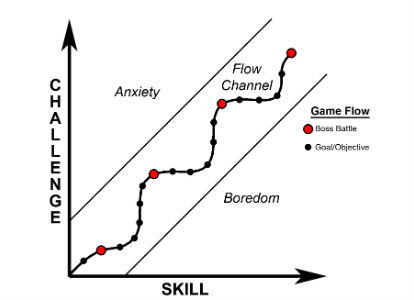
In our first article on Gamification we explored basics, like rewarding badges to incentivize users. Now let’s take a deeper look at the attitude balance that must be maintained to keep your users happy!
Winning an eLearning Industry award is a great honor, and Monarch Media is proud to receive another award from them. Our second eLearning Industry award in 2019, this time, Monarch secured the 11th spot on the list of Top 20 Content Providers for Blended Learning. Companies that made the list were ranked based on their quality of work, domain expertise, innovative methods, customer ratings, niche specialization and corporate social responsibility.

Monarch Media is yet again a proud recipient of a prestigious eLearning Industry award. This time we landed a spot on their list of Top eLearning Content Providers for Microlearning 2019. The eLearning Industry evaluates online content development companies across the globe, in various different aspects of the field. This year, their focus being microlearning, they assessed eLearning companies based on their expertise, production quality, customer reviews, niche specialization, innovation and the company’s social responsibility.
eThink Education, a world-class eLearning provider, announces a partnership with Monarch Media, an industry leader in designing and developing customized eLearning content, course, and curriculum solutions. Through this partnership, eThink is able to offer clients access to Monarch’s consultative content development and programming services.

At Monarch, we’ve long lived by the mantra “do good by doing good work.” We feel fortunate to be able to do just that.

Universities and businesses have always been expected to structure current information into a curriculum and make it interesting for students and employees. But never has the role demanded such a heightened level of technological expertise with the added pressure to attract and retain students and employees who are bombarded by countless digital distractions via mobile devices.
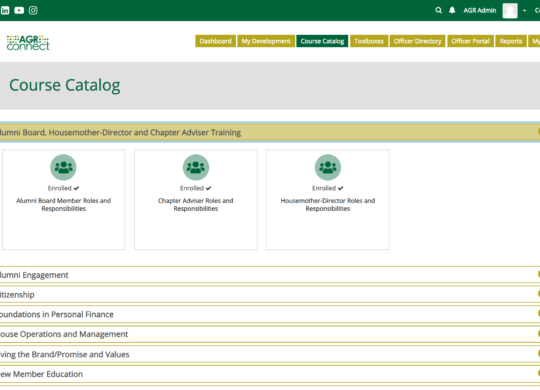
At Monarch Media, we know how important it is for our technical solutions to work for an entire organization, regardless of its distribution across a single office, multiple states, or different countries. We also know that once a solution is implemented, it should maintain its relevance for years to come.
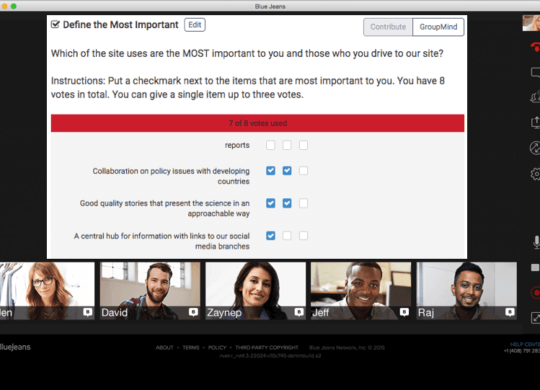
As Managing Director of Monarch Media’s GroupMind collective intelligence platform, I work with consultants and leaders who operate in highly-collaborative environments.
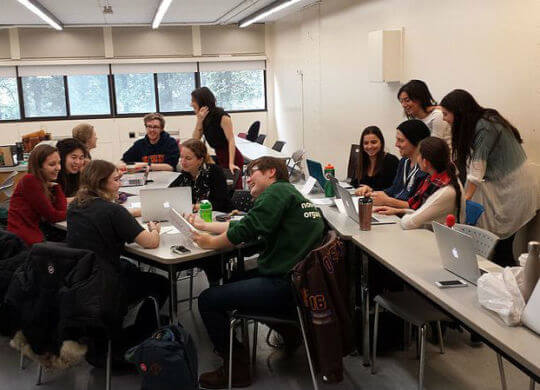
When organizations start down the path of online learning, there’s often an initial attraction to self-paced learning—and for good reason. Self-service courses, JIT (just-in-time) training, and adaptive learning are efficient and effective methods to help individuals.
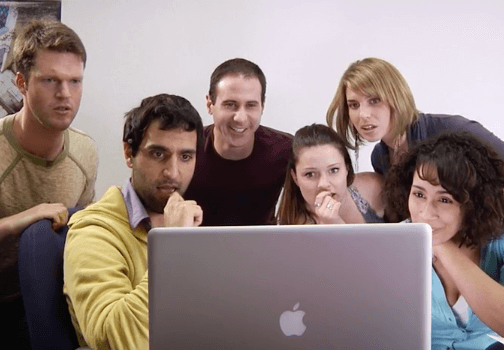
Over the last year, the #MeToo Movement has brought workplace harassment into mainstream awareness in a whole new way. And yet, many companies still address harassment education with compulsory check-the-box trainings.

As you consider transforming existing print or live training to eLearning a natural tendency is to also reduce budgets to reap the “savings” of eLearning. That may certainly be appropriate in some cases, however, it’s important that you think strategically and make smart decisions in order to maximize the budget you have.

One interesting emerging trend in education is how shifting business needs are driving changes in learning institutions. In this article we’re going to explore some of the driving forces that are shaping business education needs, and what businesses themselves, and the organizations that support education for business are doing to address those needs.
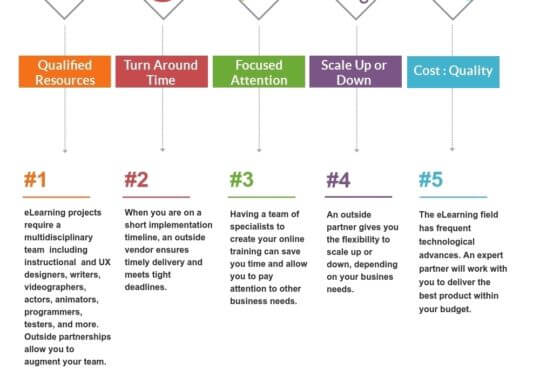
Whether to outsource your next eLearning project or do it internally can be a dilemma. Check out our infographic for a quick look at what matters most when making a decision.
Monarch Media is pleased to be collaborating with Arizona State University’s REACH Institute to create an evidence-based online program for bereaved families. The Resilient Parenting in Bereaved Families Program was initiated by Irwin Sandler and Sharlene Wolchik, and was recently featured in Sheryl Sandberg’s book, Option B: Facing Adversity, Building Resilience, and Finding Joy.
OER (or Open Education Resources) is a term that was coined in 2002 by UNESCO to describe an initiative intended to bring about universal education resources.

Evaluating the content and design of your course with direct input from your audience is a hallmark of user-centered design. It can greatly improve the outcomes of the courses you create. We recommend surveying your audience before and after designing your course to collect valuable data. It’s also helpful to look at the data your LMS collects on users to see how they interact with the course.

Monarch Media is a proud sponsor of the Santa Cruz Teen Entrepreneur Challenge. Created by teens for teens, this event poses a challenge to students (grades 7 to 12) to design, create and implement a project, all in a day. The purpose is to develop interest in technology, engineering, and design.

There is plenty of media coverage these days about the erosion of attention spans among kids and adults alike. One famous Microsoft study showed human attention span has dropped from 12 seconds in 2000 to just 8 seconds in 2015—blaming the 25% drop on our “digital lifestyles.”
At Monarch we believe strongly in open collaboration and universal access to resources. We’re active users of open source software and of open educational resources (OER) and we always try to leverage the benefits of the open-source model for our clients.

eLearning projects can take many forms, which can make figuring out the cost to create the course seem confusing and mysterious. So how can you understand the factors that influence pricing? When evaluating your potential project, consider the following factors: Seat time, Screens, Interactivity, Audio/Narration, Video.

Monarch Media is proud to confirm its continuing tradition of contributing to environmental sustainability by operating as a carbon neutral business for the fifth year in a row.
Monarch Media is pleased to announce its selection as one of the technology partners for SkillsCommons, a free and open digital library of Workforce Training Materials.

In order to deal with future budget uncertainty at the federal level, companies, state agencies, and colleges who are either applying for, or have been previously awarded federal grants, need to make smart decisions regarding spending. One way to do that is through eLearning.

Monarch Media is pleased to announce its acquisition of the GroupMind Express platform. The GroupMind product line consists of tools and processes that draw on the wisdom of the crowd for culture and leader development, collaborative learning, change management, and more effective planning and decision-making. For the past fifteen years, GroupMind tools have helped companies achieve better results because of greater alignment through collaborative processes.

Monarch Media, Inc. is pleased to be collaborating with the Arizona State University’s REACH Institute to create a program to benefit families who have lost a parent. The Resilient Parenting in Bereaved Families Program was initiated by Irwin Sandler and Sharlene Wolchik at ASU, who have been researching evidence-based programs for bereaved families for 30 years.

Monarch Media, Inc., a leading e-learning and training solutions provider is pleased to announce the acquisition of the GroupMind Express platform. The purchase was effective as of July 1, 2017.
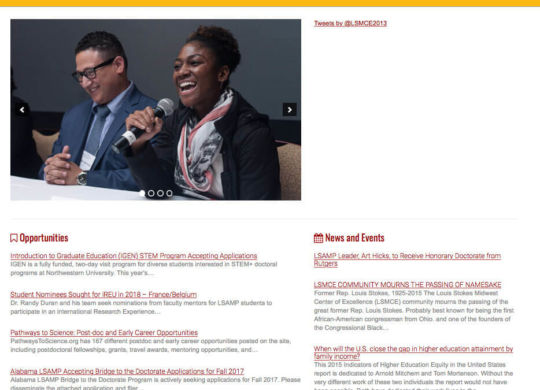
In today’s fast-paced informational age, finding the right information when you need it can be a difficult task. This is where an online learning community, or community of practice, can be a great benefit. Creating a digital library of curated content with advanced search capabilities allows individuals to access information quickly.

Monarch Media’s video for our client, Health Net, titled Renewing Your Health Coverage won the Bronze Award in the Digital Health Awards Spring 2017 Competition within the Digital Health – Social Media category.

WordPress is by far the world’s most popular and commonly used content management system (CMS). Typically, a CMS is used to manage content and serve as a platform for a website or blog.
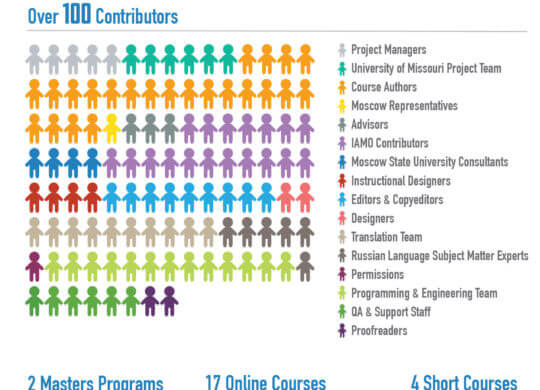
Effective planning is crucial when approaching any kind of large-scale curriculum development. In this case study, you’ll learn about the process for defining a learning context, useful pedagogical frameworks for online programs, and eight widely accepted course design principles.
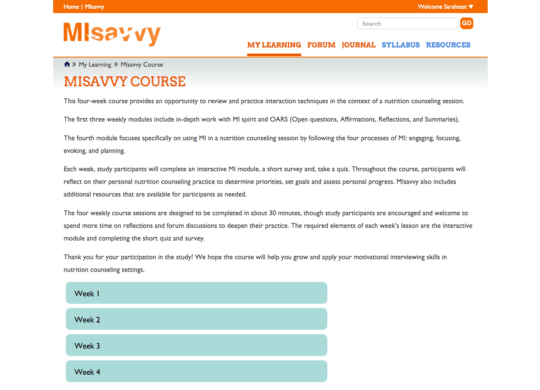
Teaching to impart a skill is inherently different than teaching to impart knowledge. With an eLearning course, designers have the added challenge to create a course that allows learners to practice behavioral skills in a medium that does not always lend itself to interpersonal interactions.

As part of its efforts to be environmentally responsible, Monarch Media Inc. is proud to announce its continued efforts in being Carbon Neutral by purchasing carbon credits from COTAP.org.

Monarch Media is a proud signatory of the White House Equal Pay Pledge. In an attempt to close the gender-gap pay, this White House initiative has employers committing to conduct annual company-wide gender pay analysis, make efforts to pay men and women fairly, and identify best practices that help ensure wage fairness for all workers.

Knowing your audience is critical when developing an online course, program or curriculum. This is especially important when considering adult learners. Over the years, several learning theories have emerged that offer important guidance but no one theory can be applied to all adults.

So, your employees have been trained. They’ve completed their learning online, at their own pace, without compromising work. This online model saved your company both expenses arising out of classroom training, and lost time incurred from being away from work during training. This is a great start!
As an active follower of innovations in eLearning and social entrepreneurship, Monarch Media Founder, Claire Schneeberger has recently been invited to participate as an evaluator for the OpenIDEO Future of Higher Education Challenge.
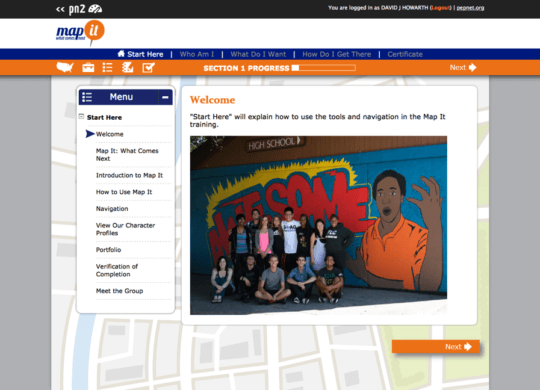
One way to motivate learners is to immerse them in an online community. After all, it’s the social connections and interactions that make learning engaging. Community is the glue that holds your online class together. It allows learners to give opinions, share ideas, provide and receive feedback, and collaborate on issues and answer questions.

Educators and researchers alike agree people learn best when they’re part of a group. Online learning communities give learners the opportunity to collaboratively gain knowledge, foster creativity, and achieve progress in a virtual environment.
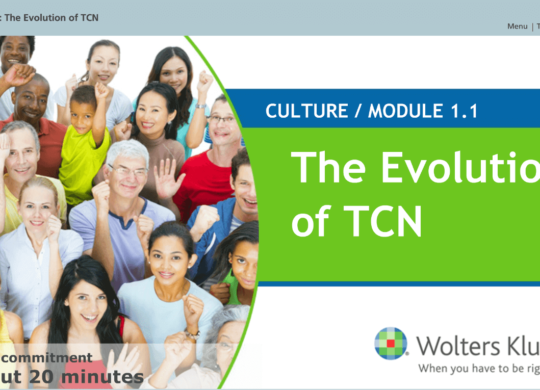
We’re proud to congratulate Wolters-Kluwer on their award for one of the best nursing and health care publications of 2015 recently announced in The American Journal of Nursing’s (AJN) annual Book of the Year Awards.

Can eLearning help your organization meet its training and program goals? Join us in Phoenix for a NACCHO 2016 special session about online training technology to find out!

My American Farm is an education project from the American Farm Bureau Foundation, which provides children grades K-5 with interactive games that teach math, reading, sciences, and social studies within an agriculture context.

Almost all of the food you eat, material for the clothes you wear, and wood for the house you live in is produced by soil. In the latest game from My American Farm, Thrive, students gather information and use important tools to help the soil and water thrive on the farm.

On January 27th Monarch Media’s Founder and Chief Innovation Officer, Claire Schneeberger, will be a panelist for a discussion profiling engineers, executives, founders and companies who are currently making their mark on the Santa Cruz tech community.

Monarch Media is collaborating with the Eurasian Center for Food Security (ECFS) at Moscow State University (MSU) to develop two online master’s programs focused on food security needs in the Eurasian region.

If you didn’t, then you haven’t played the newest My American Farm game – The Buzz! Along with a host of other pollinator facts, check out how bees and butterflies do their part in producing food for the world!
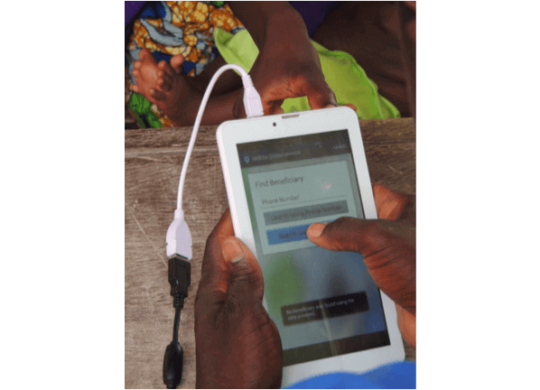
Part of the joy of working in the learning field is that we know our work makes a difference. Education has the ability to empower and change lives in so many ways, which is why the Monarch team donates our time and skills to worthy causes throughout the year.

For the fourth time, Inc. magazine has named Monarch Media to the Inc. 500|5000, the magazine’s annual list of the fastest-‐ growing private companies in America. Monarch Media (ranked 52nd among education companies) is a leading provider of digital learning solutions worldwide.
Monarch Media has designed a toolkit for taking your training online which will lead you through the key considerations to help you start developing a plan to achieve your goals.

The approach you take to managing a project can make it or break it. Agile methods have grown increasingly popular as a proven approach to successful project management.
The Omni Awards has recognized Monarch Media with two Gold Awards in the Educational Category of the Spring 2015 contest. The Omni Awards recognize outstanding achievements in film and video, Web, and mobile media.
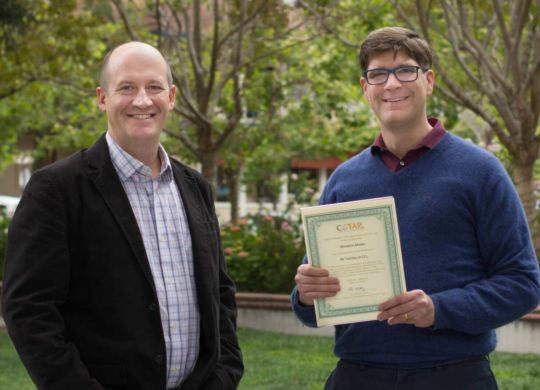
Monarch Media, Inc., a leading provider of custom digital training and education solutions, is pleased to announce our recertification as a California Green Business by the Monterey Bay Area Green Business Program and our pledge to become carbon neutral in 2015 with COTAP.org.
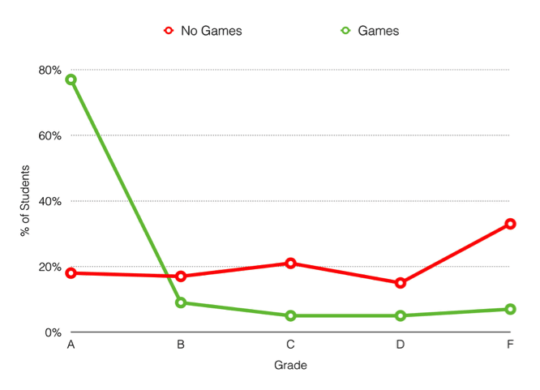
If you’re involved in education—whether in the classroom or in an adult training setting—there’s a good chance you’ve heard the word “gamification.” Gamification has received a lot of attention in recent years as a strategy for applying game playing to learning to engage learners.

With 20 percent of adults reporting some form of disability, making your digital learning content accessible is good business sense. In many cases, it’s also required by law.
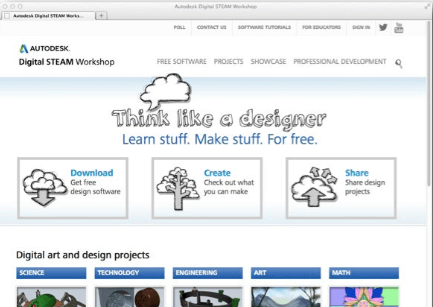
Agile is a software development methodology known for allowing ultra-fast turnaround. Monarch Media believes in Agile done right, which means ongoing dialogue with our clients.
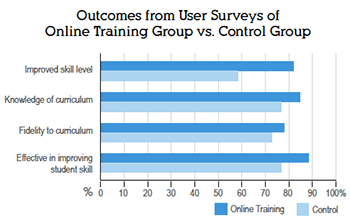
Research shows that public school teachers who receive skills training for sexual health and safety curriculum are most likely to achieve positive student outcomes. Online training offers low cost, easily accessible, skill-based trainings that are needed to meet the growing training demand of schools.
Cengage Learning’s Criminal Justice modules are designed to teach students situational crime prevention, a theory of criminology that attempts to reduce the opportunity for crimes to be committed.

Brandon Hall has awarded Monarch Media and SiTEL of MedStar Health a Gold, Best Learning Technology Implementation, in its annual Excellence Awards Program.

These days, receiving requests to help a friend harvest enough wheat to build a new barn, buy a shinier silo, or even breed a special purple-spotted cow is practically routine.
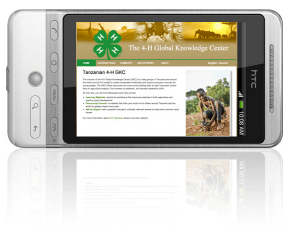
Many organizations are exploring ways to reduce hunger and improve economic development in Africa. But few have the depth of learning content and expertise that 4-H offers or the reach of the Bill and Melinda Gates Foundation.

The Iowa Alcoholic Beverages Division (ABD) took over the Iowa Pledge Program in 2000. This program asks Iowa’s kids to pledge that they will not use tobacco products; retailers to pledge to not sell tobacco products to underage users; and law enforcement to pledge to enforce the state tobacco laws.
Challenge – Find a cost-effective way to deliver a successful leadership development program to staff members and partners on four continents.
Solution- An eLearning course developed by Monarch Media that can be delivered over the Internet and on CD-ROM
Our commitment to operate in an environmentally responsible way is recognized by the Monterey Bay Area Green Business Program. We actively conserve natural resources and prevent pollution by reducing, reusing, and recycling. Monarch Media, Inc has been a Certified Green Business since 2008.